
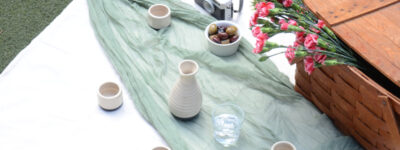
Shochu & Saké for Summer Entertaining
Akamoah “Red Satan” Inoue Syuzo Shochu $31.96
Inoue Shuzo was established in 1893 and is operating under the guidance of the 6th generation of the Inoue family. In 2001, they completed their “Shochu Dojo,” a small facility adjacent to their saké production house that focuses on crafting shochu using traditional methods. Aka Maou (Red Devil) is a remarkably mellow and inviting Shochu crafted from Imo (sweet potato), white koji, and mineral waters that originate in the snow melt atop Mt. Hikosan. White koji is the most mild of the three predominant koji strains. You may note mild, earthy flavors like white mushroom or tofu. The single distilled spirit is matured in an earthen pot for one year, giving it a sweet, mellow flavor profile. This soft and expressive Shochu is unbelievably easy to drink neat or, per tradition, with a drop of hot water. – Evan Cucciniello, Astor Wines & Spirits Consultant
Satoh Shochu $54.96
Satoh Kuro is a rich, earthy, and immensely satisfying black koji sweet potato shochu. Hailing from Kyushu Island, a subtropical island just southwest of Japan’s main islands. This robust and full flavored spirit gains a large part of its character from the blending before distillation, maintaining as much body and flavor as possible from the first fermentation. Also notable is the use of Black koji, pronounced in note or mushroom and earth. Roasted sesame notes guide you through a luxurious sip that shows sweet, starchy and umami all at the same time. I do prefer to drink this brew on a cube of ice or with a drop of cold water. That helps to soften the sip and balance the truly proud umami notes here. – Evan Cucciniello, Astor Wines & Spirits Consultant
Hyakunen no Kodoku Barrel Aged Barley Shochu $84.96
Hyakunen no Kodoku translates to “One Hundred Years of Solitude”, the name of a very famous novel, but also a fitting reference to the production method of Shochu which has been handed down generation to generation for over a century. The mash of this spirit is made with 100% Barley (Mugi), locally and organically grown. Featuring white koji, the most subtle of the koji strains, the primary notes of peanut shell and cereal grains are smooth and refined throughout the sip. Following a single distillation, this Shochu is rested undiluted in oak casks for 3 to 5 years. – Evan Cucciniello, Astor Wines & Spirits Consultant
Dewazakura “Sakura Boy” Saké, Mini-Daiginjo $19.99
Sake has been made and served in ceremonies and with food for nearly two-thousand years!! Guess what, it’s still a perfect match for all your fresh, spring and summer seafood dishes. The Dewazakura “Sakura Boy,” mini Daiginjo is light, floral, full of pure ripe melon fruit, refined, and incredibly refreshing. Enjoy! – Nima Ansari, Spirits Buyer
Suigei Saké, Tokubetsu Junmai $24.96
Suigei – the Drunken Whale Sake! By now, many know the story behind the name of this sake…Suigei comes from a nickname for Yamauchi Yodo, a samurai lord of who loved sake SO much that he wrote poems under a pen name ‘Suigei Shuzo’ (Drunken Lord of the Ocean with Whales). ‘Suigetsu’ is also a common motif in medieval Japanese literature, the ‘watery moon,’ typically a metaphor for the reflection of Buddha’s teachings in humans on earth (however, meaning varies significantly between traditions). The Drunken Whale sake is popular at Astor and beyond for good reason – it is easy drinking, savory, and great with a variety of food. Polished to 55% and from the prefecture Kochi on the southern coast of Shikoku, enjoy notes of florals, mushroom, sea salt, and a clean finish. – Vic Pagan, Astor Wines & Spirits Consultant
Tosatsuru Azure Saké, Junmai Ginjo $29.96
The history of Tosatsuru sake can be traced back to the late 1700s when the Hiromatsu family founded this brewery on the island of Shikoku. The name Tosatsuru comes from an ancient Japanese poem about dancing crane birds in the surrounding area. Using 100% Yamada Nishiki Rice, polished to no less than 55%, this Ginjo sake displays the classic profile of melon, pear and white flowers. So do serve this Sake chilled in a white wine glass. What makes this ‘Azure’ expressions special is the addition of mineral-rich deep sea water from a natural spring at the bottom of the Pacific Ocean A contribution that should bring forward the unique terroir of this Island brewery and mineral qualities of this delightful Sake. – Evan Cucciniello, Astor Wines & Spirits Consultant